


Reviewed by Kana
Who it's for, and whether it holds up.
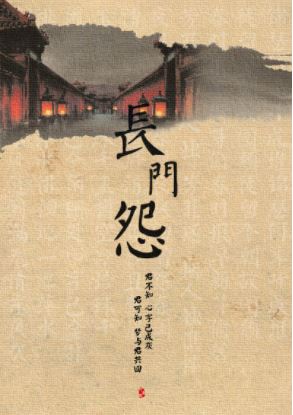
My Thoughts on Lament at Changmen Palace
This short story has left me with a lingering sense of melancholy, a feeling that I suspect will stay with me for a while. "Lament at Changmen Palace" offers a glimpse into the life of Empress Chen Jiao, and it's a perspective that truly moved me.
First Impressions
Going in, I knew this was a tragedy. The tags alone – historical, josei, romance, tragedy – set the stage. But even with that preparation, the story's impact was powerful. It's a quick read, a one-shot that doesn't waste time in setting the scene and plunging you into the Empress's despair.
What Works Well
The strength of this story lies in its ability to evoke empathy. The author paints a vivid portrait of a woman trapped by circumstance, a woman whose love becomes her undoing. I found myself questioning the historical narrative, wondering if Chen Jiao was truly the villain she's often portrayed to be. The story reframes her, presenting her as a victim of courtly intrigue and a society that offered women little agency. The translation is also seamless, allowing the narrative to flow beautifully and the emotions to resonate deeply. The pacing is well done, and the characterization of the Emperor makes him a more well-rounded character than expected.
Areas of Concern
The only real drawback I can find is its length. While the brevity contributes to its poignant nature, I couldn't help but wish for more. I wanted a deeper dive into the political machinations, a more thorough exploration of Chen Jiao's emotional landscape. The story could have benefited from additional chapters.
Final Verdict
Despite its brevity, "Lament at Changmen Palace" is a powerful and moving story. It's a tragedy that lingers in the mind, prompting reflection on history, love, and the plight of women in ancient China. If you're looking for a quick but emotionally resonant read, I highly recommend this one. Just be prepared to shed a tear or two.