


Reviewed by Kana
Who it's for, and whether it holds up.
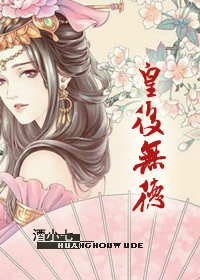
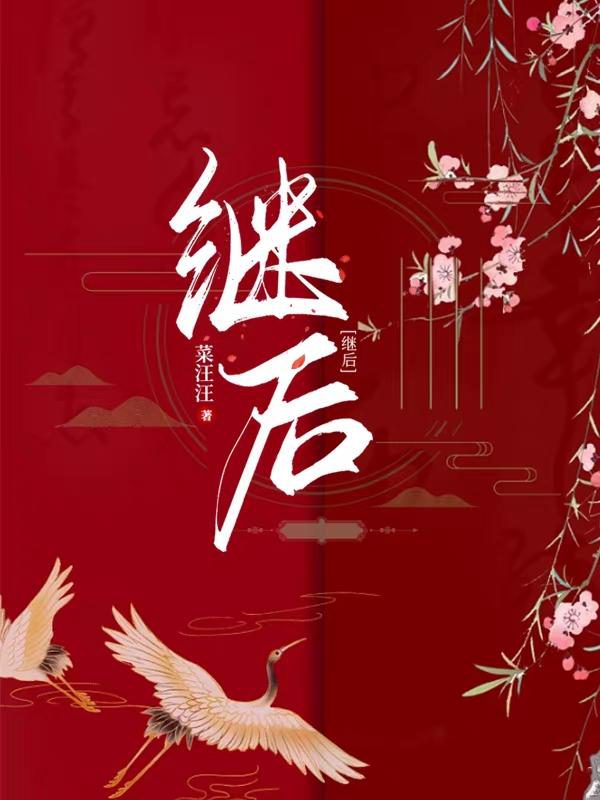
Most imperial harem stories spend the bulk of their energy on schemes, jealousy, and people trying to poison each other's tea. "Successor Empress" is not that story. The female lead arrives as Empress from the beginning and promptly treats the role like a job with good benefits. She is not trying to revolutionize dynastic China with modern ideas or win the Emperor's heart through bold gestures. She is adapting, managing, surviving with grace. It's a refreshingly low-temperature approach.
The Emperor helps. He is not a romantic ideal, but he is a fair and clear-headed ruler, and the relationship between him and the Empress works precisely because it's built on mutual respect rather than passion. The second prince is initially irritating in the way the story seems to intend, but his snarky-but-sincere personality pays off over time. The harem is portrayed with a realism unusual for the genre: not everyone is scheming, not every concubine is an antagonist, and the dynamics feel like something a real institution might actually produce.
The extra chapters push the emotional register higher, particularly around the princes. The eldest prince's longing for his father's attention and the circumstances around the second prince's death are handled with restraint that makes them land harder. The third prince's tribute to his brother is genuinely moving.
This is a slow, quiet story. Readers expecting dramatic reversals or a passionate central romance will be disappointed. But if you want a historically-minded drama where the protagonist's intelligence operates at the level of emotional management rather than political maneuvering, this delivers. A strong 4.4 and a story worth the time.