


Reviewed by Kana
Who it's for, and whether it holds up.
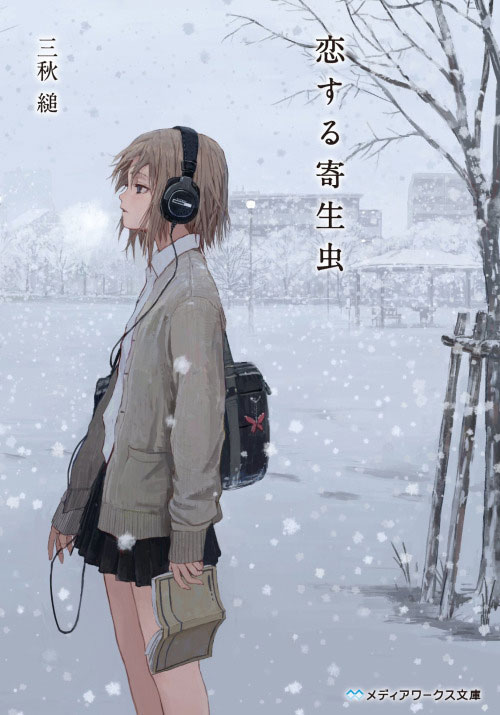
My Thoughts on Parasite in Love
Miaki Sugaru, or Fafoo as some call them, has a knack for crafting stories that linger in your mind long after you've finished reading. "Parasite in Love" is no exception, though it sits a little differently in my memory compared to some of their other works.
First Impressions
From the outset, the premise is intriguing: two social outcasts, drawn together by a shared diagnosis of a peculiar "parasitic disease" that manifests as social withdrawal. It's a strange and captivating starting point, and I was immediately curious to see where the story would lead. The blend of romance, psychological elements, and even a touch of sci-fi with the parasite aspect, felt unique and refreshing.
What Works Well
The novel excels in its exploration of human connection amidst unusual circumstances. The characters are deeply human, flawed, and relatable, even with their unique struggles. I particularly enjoyed the author's ability to weave together different threads of the story, creating a cohesive narrative that keeps you engaged. The ending, while perhaps bittersweet, felt beautifully executed and resonated with me on an emotional level. The writing style is also a major draw, with many praising its ability to create a captivating atmosphere and draw you into the characters' inner worlds. I also appreciated the info dumps, which were cleverly woven into the narrative.
Areas of Concern
While I found "Parasite in Love" to be a worthwhile read, it didn't quite reach the heights of some of Miaki's other works in my opinion. I felt that the central dilemma didn't resonate with me as strongly, and the twists, while present, didn't have the same impactful punch. Some might find the pacing a bit slow, as the story takes its time to unfold. Also, the dynamic between the protagonists could be interpreted in ways that may make some readers uncomfortable.
⚠️ Spoiler Warning
Some readers have interpreted the ending as implying a particular character's demise, suggesting a tragic resolution tied to the nature of the parasitic infection and the characters' intertwined fate. If you prefer to go into the story completely blind, I recommend skipping any further discussion about the ending until after you've finished reading.
Final Verdict
Overall, "Parasite in Love" is a thoughtful and emotionally resonant novel that explores themes of connection, isolation, and the search for meaning in a world that often feels alienating. While it might not be my absolute favorite of Miaki's works, it's still a compelling read that I would recommend, especially if you're drawn to stories that blend romance with psychological depth and a touch of the unconventional. I'd give it a solid 4 out of 5 stars.