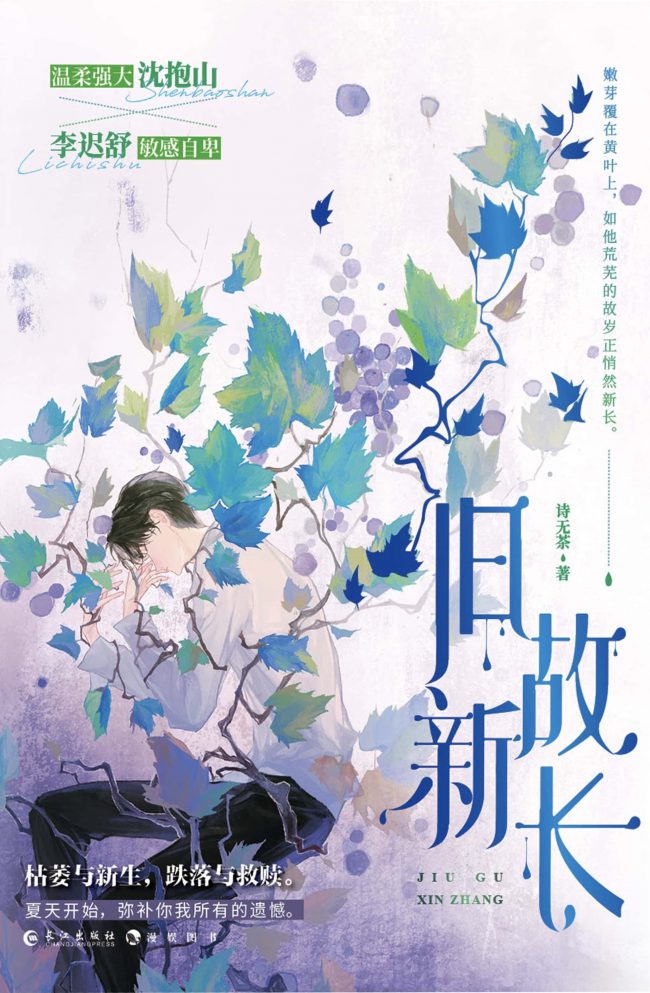



Reviewed by Kana
Who it's for, and whether it holds up.
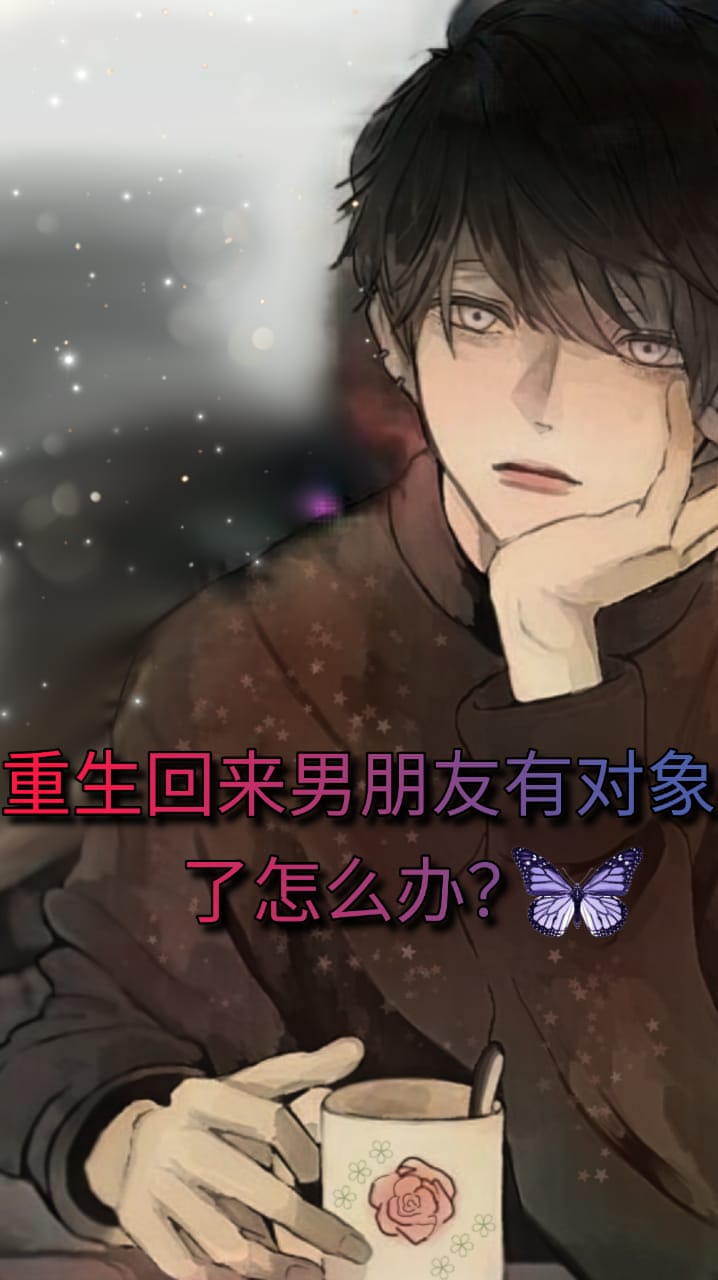
The genre tags say fantasy and school life, but this is really a novel about depression, and it handles that subject with more care and specificity than the tags suggest you should expect.
Li Chishu's struggle reads as genuine rather than decorative. The story doesn't use mental illness as a plot device to generate sympathy and then resolve it neatly. The isolation, the difficulty of accepting love even when it's freely offered, the way Shen Baoshan's patience can't simply fix what's wrong with a person, all of it lands as observed rather than performed. The contrast between Li Chishu's diary entries across the two timelines is the novel's best formal choice, showing transformation without spelling it out.
Shen Baoshan is the kind of love interest who could easily tip into sainthood and become unreal. He mostly avoids that. He loves without expecting reciprocation in the first timeline, which is moving rather than martyred, and watching how that plays out across two lifetimes is the emotional engine of the book.
The one technical issue that comes up is that some of Shen Baoshan's more heartfelt dialogue can feel slightly stilted, like the author is reaching for grandeur when plainness would serve better. It doesn't undermine the story, but you notice it.
Some readers apparently found Li Chishu frustrating in the first timeline, feeling he was unfair to someone who loved him so openly. That frustration is probably the point. Depression isn't rational, and a story that made Chishu easier to watch would be a lesser one.
At 4.4 this is one of the better emotionally serious novels in the genre. Worth the weight it carries.